How Amazon Prime Day Works and How to Make the Most of It
If you’ve ever found yourself refreshing Amazon on a random Tuesday in July wondering why everyone is losing their minds over a sale, this post is for you. Prime Day is one of the biggest shopping events of the year — but it comes with a learning curve. Here’s everything you need to know before the deals drop.
What Is Amazon Prime Day?
Prime Day is Amazon’s annual members-only sale that offers thousands of deals across virtually every product category. It started in 2015 as a one-day event to celebrate Amazon’s 20th birthday and has grown into one of the largest shopping events of the year, bigger, by some measures, than Black Friday or Cyber Monday.
In 2026, Prime Day runs June 23–26, making it a four-day event for the second year in a row. That’s more time to shop, more deal drops, and more chances to snag something before it sells out.
Do You Need Amazon Prime to Shop Prime Day?
Yes. Prime Day deals are exclusively for Amazon Prime members. If you’re not a member, you have a few options:
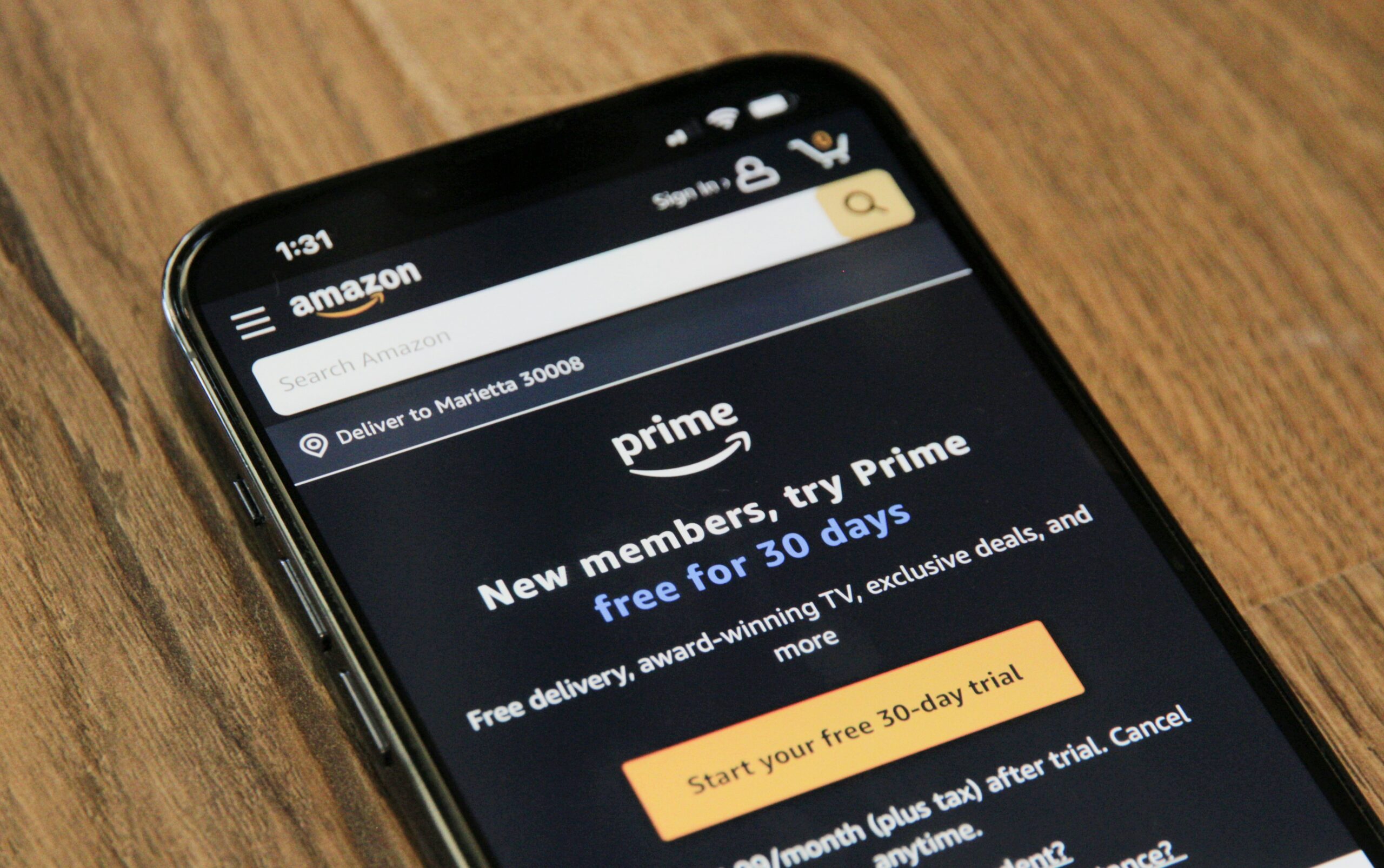
- Sign up for a free 30-day trial. If you’re not currently a member, you may be eligible for a free trial that would cover the entire sale window. Just set a reminder to cancel if you don’t want to continue.
- Prime for Young Adults. If you’re between 18 and 24, you can get a free six-month trial followed by a reduced rate of $7.49/month or $69/year.
- Prime Access. Income-verified and government-assistance recipients can try Prime free for 30 days, then pay $6.99/month.
A standard Prime membership costs $14.99/month or $139/year.
What Categories Have the Best Deals?
Prime Day covers more than 35 categories, but historically the strongest deals show up in:
🖥️ Electronics and tech, TVs, laptops, tablets, headphones, and Amazon’s own devices (Echo, Fire, Kindle) always see steep discounts.
💄 Beauty and personal care, This is one of the best times to stock up on skincare, hair tools, and fragrance. Brands like Revlon, Neutrogena, and CeraVe regularly participate.
🏠 Home and kitchen, Small appliances, cookware, organization, and storage are Prime Day staples.
👗 Clothing and shoes, Amazon’s own fashion brands plus name-brand drops. Great for basics and wardrobe refreshes.
🧴 Health and household, Paper towels, vitamins, cleaning supplies. Stock-up season.
🎮 Toys and games, Worth checking even if it’s not the holidays. Lots of LEGO, board games, and outdoor toys see big cuts.
In 2026, Prime members also earn an exclusive 10% cash back on eligible deals across beauty, apparel, electronics, and personal care during the event.
How to Prep Before Prime Day
The worst thing you can do is open Amazon on June 23 with no plan and no idea what you’re looking for. Here’s how to set yourself up:
1. Make a wishlist now. Add everything you’ve been eyeing to your Amazon wishlist or cart. On Prime Day, prices on wishlisted items sometimes drop and Amazon will notify you. Even if they don’t, you’ll shop faster and smarter.
2. Check the price history first. Not every “deal” on Prime Day is a real deal. Use a tool like CamelCamelCamel to look up the price history of anything you’re considering. If the “sale price” is the regular price, skip it.
3. Look for Lightning Deals early. Lightning Deals are limited-time, limited-quantity offers that expire in hours (sometimes minutes). Amazon shows upcoming Lightning Deals before they go live, so you can plan ahead instead of scrambling.
4. Set deal alerts. You can use Alexa for Shopping to set deal alerts on specific products, or use apps like Honey or Capital One Shopping to track prices and get notified when something drops.
5. Check competing sales. Target, Walmart, Best Buy, and other major retailers typically run competing sales during Prime Day week. If you find something cheaper elsewhere, buy it there.
What to Skip on Prime Day
Not everything is worth it. A few things to think twice about:
- Clothing that you haven’t tried on. Returns are free, but it’s still a hassle. Only buy clothing you know fits or have previously worn.
- Deals on things you weren’t already going to buy. This sounds obvious, but Prime Day is specifically designed to get you to spend money you weren’t planning to spend. A 40% discount on something you don’t need isn’t savings.
- Big-ticket electronics without doing research first. TVs and laptops can be great buys, but only if you know the model and have verified the price history. Don’t impulse-buy a $600 TV because it was $900 yesterday.
Is Prime Day Worth It?
For the right purchases, yes, one of the best times of year to buy tech, beauty, and household essentials. The key is going in with a list, checking price history, and treating it like a strategic shopping trip rather than an event.
I’ll be posting Prime Day coverage all week, including specific deals worth grabbing in beauty and home. Keep an eye out.
This post contains affiliate links. If you purchase through my links, I may earn a small commission at no extra cost to you. Thank you for your support!